


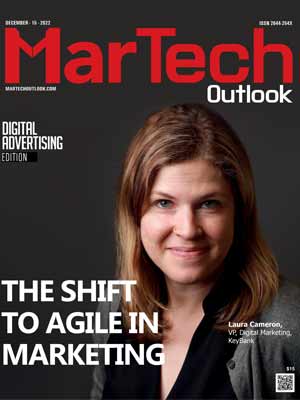

Digital marketing is constantly evolving to meet its users’ needs. The pandemic turned the digital marketplace on its head with lockdowns, social distancing, and changing shopping patterns. Allied with this has been the disruption of many shipping chains and just-in-time deliveries.
Now, more than ever, content is central to how organizations service prospects and customers, showcase their company’s knowledge and insights and motivate stronger customer relationships and trust. But just producing content isn’t enough. It is important to deliver the right content exactly when the customers need it.
For businesses, this underscores the need to enhance proactive, personalized, and timely communications aligned to customer context based on segment, need, and location, to name a few. The result? Increased consumer engagement and customer retention.
Digital tools can be leveraged to help marketing and sales teams track the content that has been shared with prospects and customers. They also help establish clear next steps, answer questions in a timely way, and provide exceptional service even before the purchase has been made.
With digital marketing, we can see the exact number of people who have viewed our website in real time by using digital analytics software. This intelligence helps measure and prioritize which marketing channels to spend more or less time on based on the number of people those channels drive to your website. For instance, if only 10 percent of the traffic is coming from organic search, it is obvious that we probably need to spend some time on SEO to increase that percentage.
If any opportunity to connect to the audience is an opportunity to convert a lead or acquire a customer, digital marketing is quintessential in creating possibilities to reach prospective buyers through various channels—whether it’s social media platforms, websites, text messages, or any online meda—to promote a business, service, or product.